Fairlop Waters bulky rubbish disposal guide Barkingside
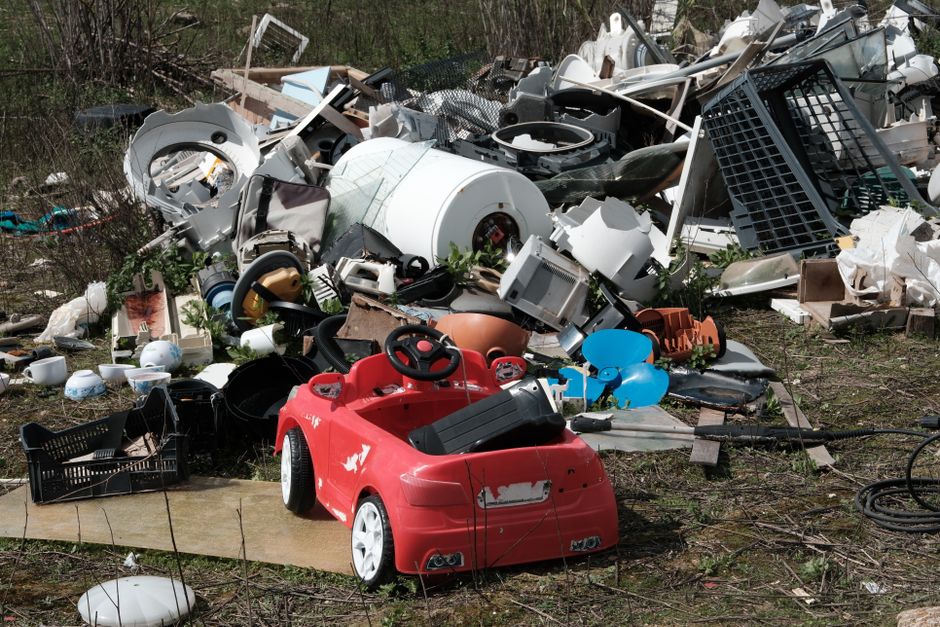
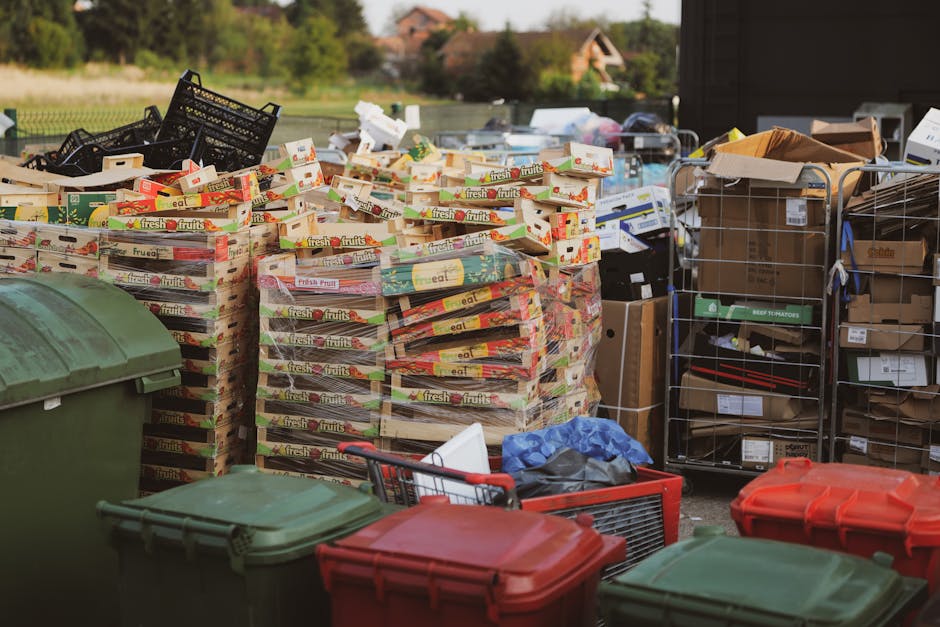
If you are staring at a pile of old furniture, broken fixtures, garden cuttings, or renovation waste and wondering where on earth it should all go, you are in the right place. This Fairlop Waters bulky rubbish disposal guide Barkingside is designed to make the whole process feel less messy, less confusing, and a lot more manageable. Bulky waste has a habit of building up quietly, then suddenly taking over a driveway, a garage, or half the patio. Sound familiar?
In this guide, you will find practical ways to dispose of large items properly, how to choose between skip hire and other removal methods, what to avoid, and how to keep costs, time, and hassle under control. We will also cover local considerations, common mistakes, and the best way to plan a disposal job so you are not left with an awkward half-finished pile by the weekend.
Table of Contents
- Why bulky rubbish disposal matters in Barkingside
- How bulky rubbish disposal works
- Key benefits and practical advantages
- Who this is for and when it makes sense
- Step-by-step guidance
- Expert tips for better results
- Common mistakes to avoid
- Tools, resources and recommendations
- Law, compliance, standards and best practice
- Options, methods and comparison table
- Case study or real-world example
- Practical checklist
- Conclusion
- Frequently asked questions
Why Fairlop Waters bulky rubbish disposal guide Barkingside Matters
Bulky rubbish is not just "stuff you want gone". It can block access, create trip hazards, attract damp or pests, and make a property feel unfinished. In a place like Barkingside, where homes, gardens, shared drives, and small business premises often sit close together, poor waste handling can become a neighbour issue very quickly. That is why a clear disposal plan matters.
The other reason is simple enough: large waste items are not always easy to move legally or safely. A wardrobe does not fit neatly into a black sack. A broken sofa will not magically shrink. Garden renovation waste, bathroom rip-outs, and garage clear-outs all need a sensible route. If you get that wrong, you risk wasting time, overfilling your car, or paying twice because the first attempt was not quite thought through.
There is also the practical side of timing. If you are clearing space for a sale, preparing for building work, or trying to regain control of a cluttered home, bulky waste can delay everything else. A good plan helps you move from chaos to clear floor space, which, let's face it, feels excellent.
Expert summary: The best bulky rubbish disposal approach is the one that matches the type of waste, the amount of waste, and the access at your property. Not the cheapest option on paper, not the biggest vehicle, and not the one that leaves you with a mountain of sorting afterwards.
How Fairlop Waters bulky rubbish disposal guide Barkingside Works
At a basic level, bulky rubbish disposal is about separating what can be reused, recycled, or taken away as mixed waste, then choosing the right removal method. In practice, that means looking at the size, weight, and type of items, then deciding whether a skip, man and van service, grab hire, or wait-and-load option is the better fit.
For many households and small businesses, the process begins with a rough sort. You identify furniture, appliances, timber, rubble, packaging, garden waste, and anything classed as hazardous or restricted. If your waste is mixed and bulky, the detail matters. A mattress is not the same as a pile of concrete, and neither is the same as a broken freezer. That distinction affects handling, recycling routes, and pricing expectations.
If you need a simple starting point, the page on what can go in a skip is useful for understanding common item types and typical restrictions. It is the sort of page that saves people from the classic last-minute surprise: "Oh, that cannot go in there?"
In most real-world cases, bulky rubbish disposal works best when you:
- assess the waste type and volume first
- separate anything hazardous, electrical, or confidential
- choose a removal method suited to access and urgency
- plan where the waste will be collected from
- make sure loading and transport are safe and compliant
That may sound obvious, but the jobs that go smoothly nearly always have that same pattern behind them. The ones that go sideways usually skipped one of those steps. Simple as that.
Key Benefits and Practical Advantages
Good bulky waste disposal is not only about getting rid of clutter. It can make the whole property work better again. You notice it immediately: more room, cleaner sightlines, less stress. There is a real difference between a space that is merely "full" and one that has been properly cleared.
Here are the main advantages people usually care about:
- Better space use: cleared garages, lofts, gardens, and driveways become genuinely usable again.
- Less manual effort: the right disposal method reduces lifting, repeated trips, and the risk of damage.
- More predictable costs: when the waste is assessed correctly, you are less likely to face awkward surprises.
- Cleaner recycling routes: a planned collection process makes sorting and recycling easier.
- Faster project progress: renovations, clear-outs, and move-outs all move along more smoothly.
If you are comparing disposal methods, the service pages for rubbish removal, grab hire services, and domestic skip hire can help you think through the right fit. Each one suits a different kind of job, and that is usually where people save money or time. Often both, if they choose well.
Another practical benefit is peace of mind. Once the bulky waste is dealt with, you stop thinking about it every time you walk past. No more side-eyeing the old sofa in the hallway. No more apologising to yourself when you open the shed. That mental relief is real.
Who This Is For and When It Makes Sense
This guide is useful if you are:
- clearing a home after a move or a long period of accumulation
- getting rid of old furniture, mattresses, or appliances
- handling garden or garage waste after a tidy-up
- managing builders' debris after a renovation
- emptying a loft, shed, office, or rental property
- dealing with a one-off bulky clear-out that will not fit normal bins
It also makes sense when you do not have the right vehicle, when the waste is too heavy to move yourself, or when you simply do not want to spend your day loading up a car in multiple runs. To be fair, that is a very common reason. Nobody enjoys making five trips to a disposal site in the drizzle.
For more involved clear-outs, you may also want to look at related services such as house clearance, garage and loft clearance, or site clearance. These are especially helpful when bulky rubbish is part of a bigger project rather than a standalone job.
If your job is business-related, a dedicated commercial skip hire or office clearance solution may be more suitable. That way the waste route matches the type of premises and the pace of the work. Small detail, big difference.
Step-by-Step Guidance
If you want the cleanest possible process, work through the disposal task in a proper order. Not glamorous, but very effective.
- Make a waste inventory. Walk around the space and list the bulky items. Separate furniture, appliances, timber, rubble, soil, and bagged waste.
- Check for restricted items. Anything hazardous, electrical, or potentially confidential may need special handling. Do not just throw everything into the same pile and hope for the best.
- Estimate volume. Think in practical terms: one sofa, a mattress, a wardrobe, a few doors, or a full room strip-out? This helps with skip size or vehicle planning.
- Assess access. Can a vehicle park nearby? Is there room for a skip? Are there narrow paths, low branches, or tight front gardens? In real life, access can be the deciding factor.
- Choose the method. Decide between skip hire, wait-and-load, man and van, grab hire, or a specialist removal service.
- Book the collection. Arrange the disposal method for a time that suits the job. If waste will be generated over a few days, a skip may be easiest. If everything is being cleared in one go, another option may be better.
- Load safely. Put heavier items low down, keep sharp edges controlled, and do not overload anything.
- Finish with a final sort. Check whether any recyclable material, reusable furniture, or paperwork needs to be separated before collection.
If you are considering skip hire, the skip sizes and prices page is a very practical place to compare capacity against the type of rubbish you have. And if access is tight, wait and load skip hire may be more convenient than leaving a container on-site. That option can be especially useful on busy roads or small drives.
For jobs that involve mixed rubble or heavier debris, the builder-focused pages on builders skip hire and builders waste removal are worth a look. They suit renovation and trade waste far better than trying to improvise with a few car boots and crossed fingers.
Expert Tips for Better Results
Here is the part where experience helps. A few small decisions make bulky rubbish disposal noticeably easier.
- Sort before you book. Mixed waste is manageable, but if you know what you have, you can avoid paying for the wrong service.
- Break down items where safe. Flat-pack furniture, disassembled wardrobes, and removed table legs take up less room.
- Keep reusable items separate. If something can be donated or sold, remove it before the waste pile gets mixed up.
- Think about weather. A soggy mattress or waterlogged cardboard is heavier and more awkward to handle. A little timing can help.
- Plan loading order. Heavy items first, awkward items second, light filler last. This helps the load settle properly.
- Ask about recycling routes. A good disposal provider should be able to explain how mixed waste is handled and what can be diverted from landfill.
One thing people often overlook is the final few items. The main room gets cleared, the big sofa goes, the visible clutter disappears, and then there is still a box of random bits under the stairs. It happens all the time. Leave a little margin in your plan for those last-minute strays.
If security matters because the waste contains paperwork, labels, or client records, explore confidential shredding. And if the clear-out includes a fridge, freezer, or washing machine, the dedicated fridge and appliance removal service is the safer route. Appliances can be awkward, and no one needs a wrestling match with a fridge before lunch.
Common Mistakes to Avoid
A lot of bulky waste problems are completely avoidable. These are the biggest mistakes we see people make.
- Underestimating volume. What looks like "a few items" can easily become a full load.
- Mixing hazardous waste with general rubbish. Paints, chemicals, batteries, and similar items need separate handling.
- Ignoring access issues. A great disposal plan is not so great if the vehicle cannot get near the waste.
- Choosing a service without checking the item types. Not every method suits every waste stream.
- Overloading a skip or container. That can cause collection delays and may create safety issues.
- Leaving all the sorting until collection day. That turns a tidy job into a stressful one, fast.
Another common mistake is assuming every bulky item can go with everything else. It cannot. Certain appliances, construction debris, and restricted materials often need separate treatment. If in doubt, speak to a disposal provider before you start loading. A two-minute question can save a very long headache.
If the job involves heavier building material, the specialist pages for construction waste disposal and construction waste clearance may be more appropriate than a general household approach. And for demolition-heavy jobs, demolition waste removal is usually the safer match.
Tools, Resources and Recommendations
You do not need specialist equipment to get started, but a few simple tools help enormously:
- a tape measure for checking access and estimating item size
- gloves with a firm grip for lifting and carrying
- bags or boxes for separating small loose waste
- a marker pen or labels for sorting by waste type
- a dolly, sack truck, or furniture sliders if you are moving items indoors
From a service point of view, the most useful resources are the pages that help you compare methods rather than guess. Start with skip hire if you want a flexible container on-site, or review man and van if you need labour included and waste taken away quickly. If access is difficult and you need the waste removed from ground level without leaving a container behind, grab lorry hire can be a very practical option.
For stronger security, enclosed and lockable skip hire can be helpful where waste is exposed, visible, or contains items you do not want left open to the weather or passers-by. That tends to matter more than people expect, especially on longer jobs.
And if you are in a rush, there is always the option of same day skip hire for those jobs where the waste cannot wait around another week. Sometimes life just happens all at once, doesn't it?
Law, Compliance, Standards and Best Practice
When you dispose of bulky rubbish in the UK, the main principle is straightforward: waste should be handled safely, passed to an appropriate carrier, and taken to a lawful destination. You do not need to become an expert in waste law to make sensible choices, but you do need to avoid careless disposal.
Best practice usually includes:
- using a reputable waste service with clear handling procedures
- keeping hazardous and non-hazardous waste separate where possible
- avoiding overfilling containers or unsafe stacking
- making sure the provider explains how waste is transported and processed
- checking whether a skip permit is needed if the container will sit on a public road
If a skip has to go on the highway rather than your own property, the question of permissions matters. The pages on skip hire permits and skip permits can help you understand the practical side of that process. A permit may be needed depending on placement, and it is much easier to plan it early than to scramble at the last second.
Safety also matters. Heavy lifting, sharp edges, old glass, rusty metal, and awkward furniture all create risks. You can reduce those risks by loading carefully, wearing decent gloves, and avoiding overreach. For more on the provider's approach to safe working, the pages on health and safety policy and insurance and safety are useful trust signals to check before you book.
One final point: sustainability is no longer a side issue. It is part of normal good practice. That is why it is sensible to look for a provider that explains recycling, sorting, and responsible disposal clearly. The recycling and sustainability page is a good place to review that side of the service.
Options, Methods, or Comparison Table
Choosing the right bulky rubbish disposal method usually comes down to five things: volume, access, speed, labour, and waste type. Here is a practical comparison to help you choose without overthinking it.
| Method | Best for | Main advantage | Watch out for |
|---|---|---|---|
| Skip hire | Renovations, room clear-outs, mixed bulky waste | Flexible loading over time | Needs space and may need a permit |
| Wait and load | Quick collections, tight access, road restrictions | No long on-street container stay | You need to be ready when the vehicle arrives |
| Grab hire | Heavy waste, soil, rubble, hard-to-reach piles | Good for large loads collected from ground level | Requires access for the lorry arm |
| Man and van | Furniture, household clear-outs, mixed items | Labour included, quick turnaround | Less ideal for very heavy builders' waste |
| Specialist removal | Appliances, mattresses, confidential waste, hazardous items | Tailored handling | Some items need separate booking |
If you are still undecided, a good rule of thumb is this: use skip hire when the waste is likely to keep coming, use grab hire when the pile is heavy and accessible, and use man and van when you want fast labour with minimum fuss. There is no perfect universal answer. Just the right one for the job in front of you.
Case Study or Real-World Example
A typical local example might look like this. Imagine a Barkingside homeowner preparing for a kitchen update while also clearing the garage. The kitchen pull-out leaves old cabinets, packaging, and broken tiles. The garage contains a mattress, a few shelves, some rusty tools, and a battered desk. On paper it sounds like "a few bits". In reality, it is a mixed bulky clear-out with awkward shapes and a surprising amount of dust.
The first smart move is sorting the waste into categories: reusable items, bulky mixed waste, and anything that needs specialist handling. The second is checking access. If the driveway is narrow, a skip may be tricky to position, so a wait and load skip hire or man and van option could make more sense. If the waste is heavy rubble from the kitchen strip-out, grab hire might also be worth considering.
In that sort of job, the best outcome is usually a mixed approach: keep reusable pieces aside, dispose of the bulky waste in the right way, and avoid jamming everything into one hurried collection. The result is a cleaner space, a smoother renovation, and far less back-and-forth. And honestly, fewer arguments over what was "meant to go where".
For larger trade jobs, the same logic applies on a bigger scale. Builders often find that builders waste removal or builders skip hire is more efficient than ad hoc disposal. It keeps the site tidier and helps the project keep moving.
Practical Checklist
Use this checklist before you book or start loading.
- Have I identified all bulky items that need to go?
- Have I separated hazardous, electrical, or confidential waste?
- Do I know roughly how much space the rubbish will take up?
- Is there enough access for a skip, grab lorry, or van?
- Have I checked whether a permit may be needed?
- Do I need help with loading, or can I manage it myself?
- Have I confirmed the collection timing fits my project?
- Do I know what can and cannot be included?
- Have I planned for any last-minute items that may appear during sorting?
- Have I chosen the method that best matches the actual waste, not just the idea of the waste?
If the answer to most of those questions is yes, you are already ahead of the game.
Get a free quote today and see how much you can save.
Conclusion
A good bulky rubbish disposal plan in Barkingside is less about brute force and more about choosing the right method, in the right order, for the right material. Whether you are clearing a home, tackling a garage, stripping out a room, or dealing with mixed building waste, the goal is the same: get the space back without creating new problems.
The most reliable approach is to sort first, match the disposal method to the job, and keep safety and access in mind. If you do that, the whole process becomes calmer and more predictable. Not perfect, because waste never is. But manageable, and that counts for a lot.
And once the last bulky item is gone, the difference is surprisingly satisfying. You notice the light in the room again. You hear your own footsteps. The space breathes a bit. That is usually the moment people realise the job was worth doing properly.
Frequently Asked Questions
What counts as bulky rubbish?
Bulky rubbish usually means items too large or awkward for normal household bins, such as sofas, wardrobes, mattresses, desks, broken appliances, garden furniture, and renovation debris.
Should I choose skip hire or rubbish removal?
Choose skip hire if waste will build up over several days or if you want flexibility. Choose rubbish removal if you want the items collected in one visit with labour included. The better choice depends on access, volume, and how quickly the waste needs to go.
Do I need a permit for a skip in Barkingside?
You may need a permit if the skip is placed on a public road rather than private land. It is sensible to check early, especially if driveway space is tight. The relevant guidance is usually easier to deal with before the booking is finalised.
Can I put furniture in a skip?
Yes, most standard furniture can usually go in a skip, but it is worth checking item-specific guidance first. Large wooden items, soft furnishings, and broken furniture are common examples of what people dispose of this way.
What items should not go in general bulky waste?
Hazardous materials, certain chemicals, some electrical items, and confidential documents often need separate handling. If you are unsure, ask before loading everything together. That little check saves a lot of trouble.
Is grab hire better than a skip?
Grab hire can be better when the waste is heavy, loose, and accessible from ground level, especially for rubble or soil. A skip is usually better when you need to load waste gradually over time.
How do I know what skip size I need?
Think about the type of items, not just the number of items. A few large wardrobes can fill a skip far faster than a pile of small boxes. Checking the skip sizes and prices page is a practical starting point.
Can I mix garden waste with bulky household items?
Sometimes yes, but it depends on the service and waste type. Mixed loads are common, but they should still be planned properly so that disposal and recycling remain efficient. If there is a lot of green waste, a dedicated garden option may be better.
What if I need the waste gone very quickly?
If speed matters, consider same-day or rapid collection options. The right choice depends on availability and access, but urgent jobs are common enough that fast-turnaround services exist for a reason.
Can a bulky waste service help with appliances and mattresses?
Yes. Many providers offer specific handling for appliances and soft furnishings. It is worth using the right specialist page, such as fridge and appliance removal or mattress and sofa disposal, because those items can have different handling needs.
What is the most cost-effective option?
The most cost-effective option is usually the one that matches your waste type and access properly the first time. Misjudging volume, paying for the wrong method, or making repeated trips often costs more in the end. A proper comparison is nearly always cheaper than improvising.
Where should I start if I am still unsure?
Start by sorting your waste into categories, then compare the disposal methods that suit your access and timeline. If you want a broader overview, the pages on skip hire, rubbish removal, and grab hire services are a sensible place to begin.
When done well, bulky rubbish disposal is one of those jobs that transforms a space and quietly lifts a weight off your shoulders. It is a small reset, but sometimes that is exactly what a house, garden, or workspace needs.